Nation’s highest recognition for nursing excellence
Announcements
Please review our visitor guidelines before visiting this location. Keeping everyone safe is our top priority. We appreciate your support of our efforts.
Duke Children's Hospital & Health Center
Open
Type:Hospital
Duke Children’s Hospital & Health Center is ranked among the top children’s hospitals nationally in 10 specialties by U.S. News & World Report and provides care for thousands of pediatric patients every year. Duke Children’s Hospital is a “hospital within a hospital” within Duke Central Tower and Duke University Hospital. It contains pediatric and neonatal intensive care units. The Duke Children's Health Center, adjacent to Duke University Hospital, provides an attractive, family-friendly setting for a variety of specialized pediatric services.
See scenes from the Duke Children's move to Duke Central Tower. The building is the product of years of planning to build new facilities and offers state-of-the-art healthcare services across Duke University Health System.
2301 Erwin Rd
Durham,
NC
27710
2301 Erwin Rd
Durham,
NC
27710

Plan Your Visit
Everything you need to know for your visit to Duke Children’s Hospital & Health Center.
Start HereDuke Children's
Understand our mission and vision, and learn why Duke Children’s Hospital & Health Center is ranked among the top children’s hospitals in the U.S.

Our Specialties
Our experienced and compassionate medical professionals deliver a comprehensive range of diagnostic, medical and surgical services across an extensive range of pediatric specialties.


Our Doctors
Find a doctor that’s right for you or your loved ones.
If you are a referring physician or health care professional, we can help you find the right people, programs, and services for your patients.
Image Gallery
×

The interior of the Duke Children's Health Center.
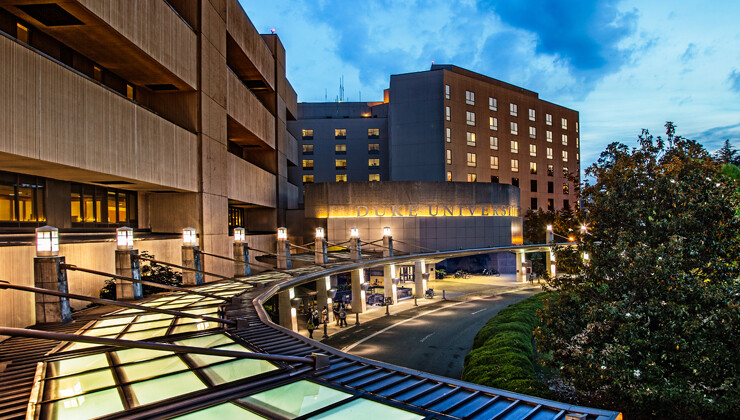
Duke Children's Hospital & Health Center is located at 2301 Erwin Rd, Durham, NC 27710.
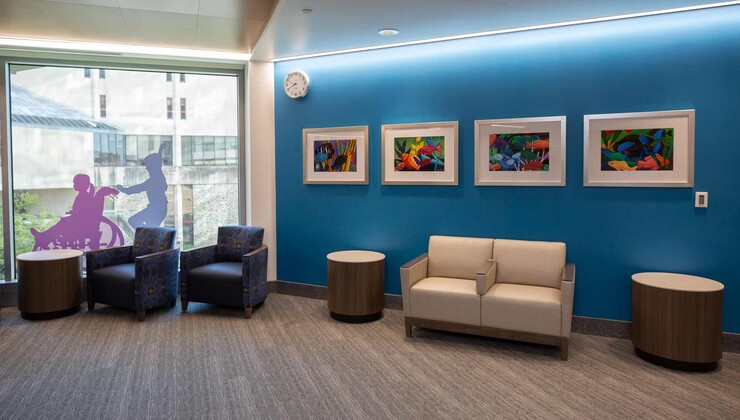
The spacious Duke Children’s Hospital waiting area that is located inside of Duke Central Tower.

The Duke Children’s Hospital waiting area offers family and friends plenty of space and natural lighting.
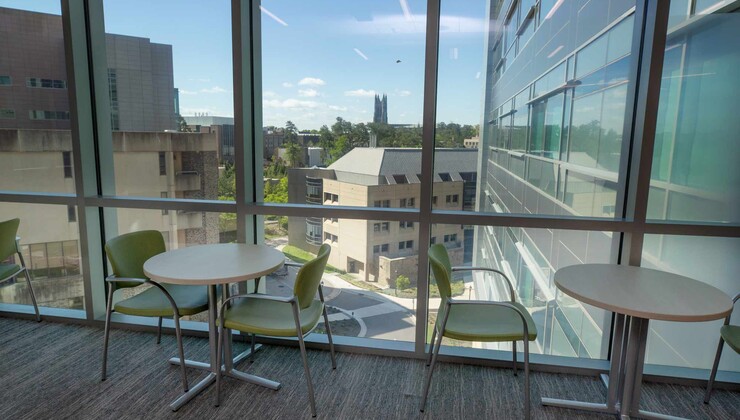
Family and friends are able to view the Duke University Chapel from the Duke Children’s Hospital waiting area.

A spacious inpatient care room located inside of the Duke Children's Hospital.
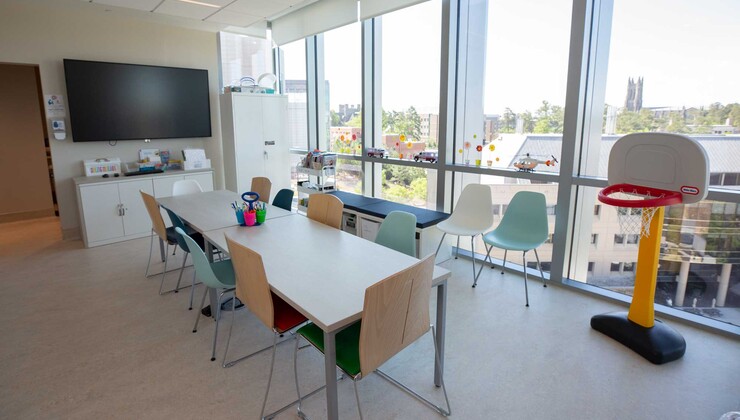
One of the children’s activity rooms inside of the Duke Children's Hospital.
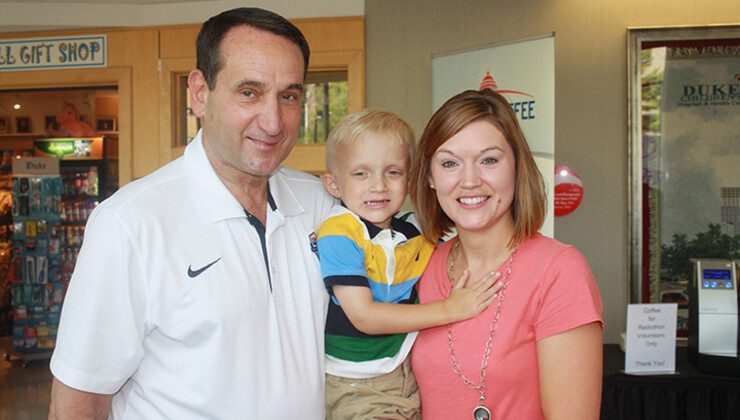
Coach K with a family at Duke Children's 2016 Radiothon.